
Retail
Central Brand Factory – Multi-Brand UX System
Establishing a centralized design system to standardize user experiences and accelerate product scalability across brands
Establishing a centralized design system to standardize user experiences and accelerate product scalability across brands

Overview
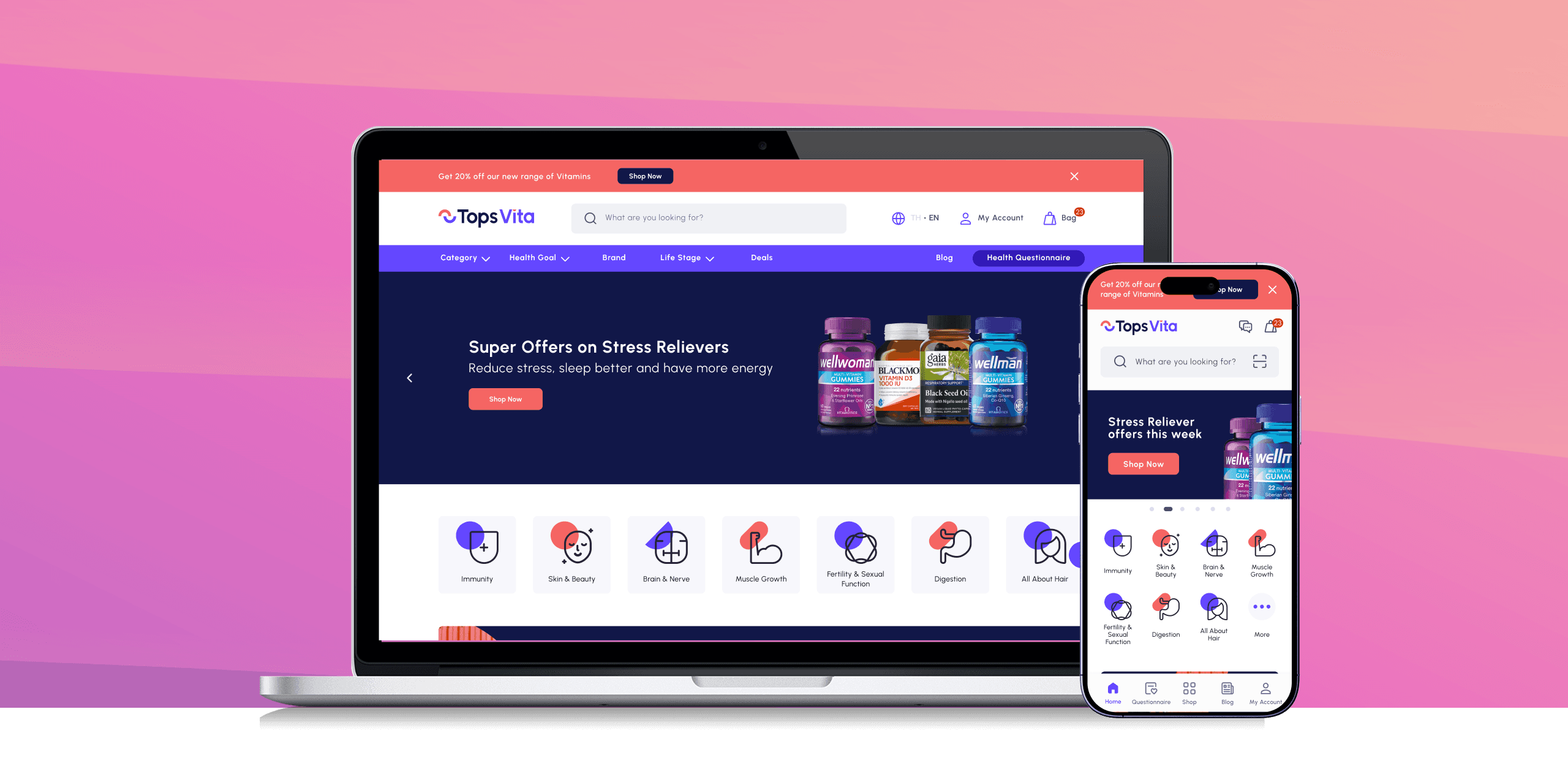
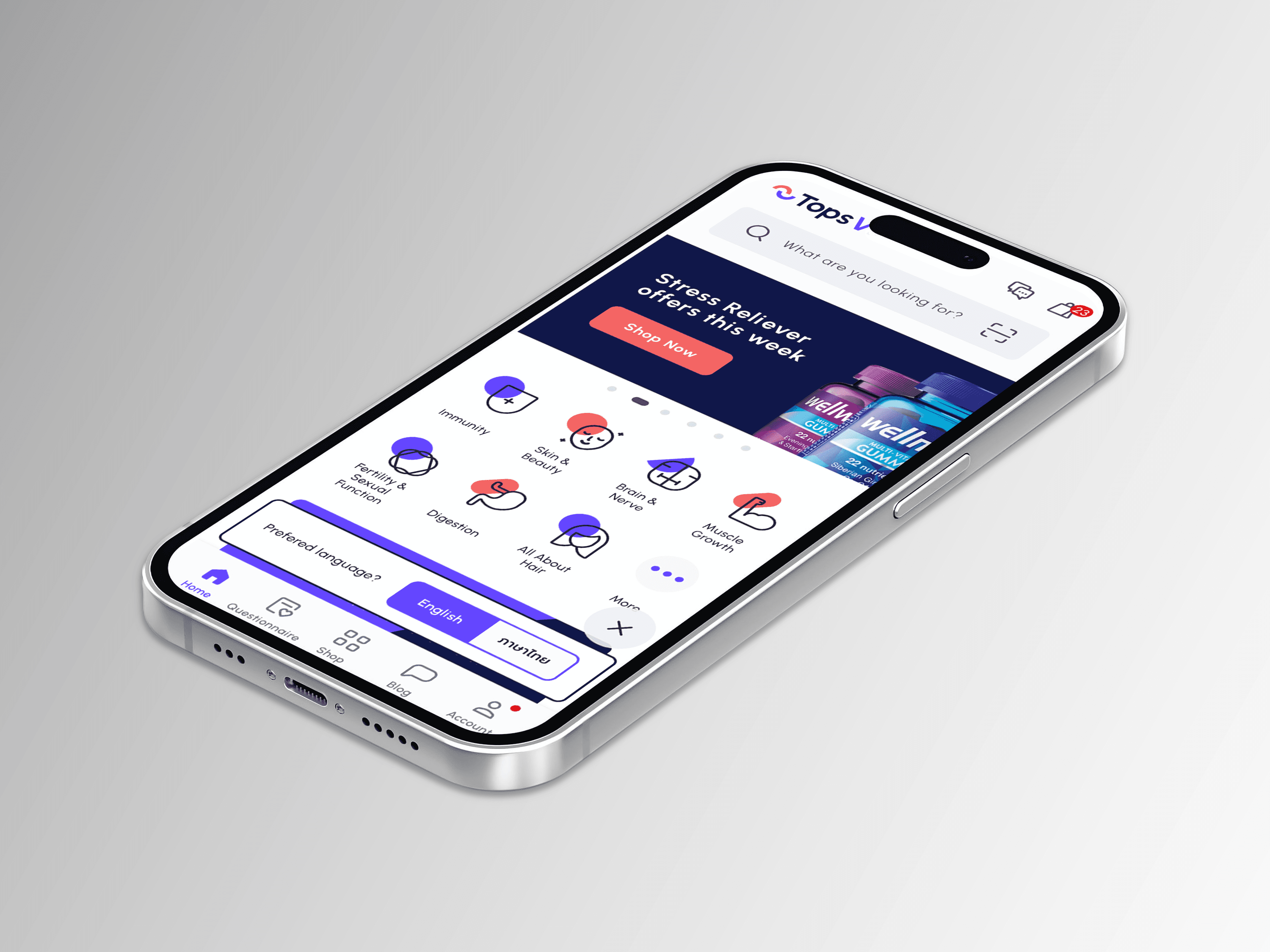
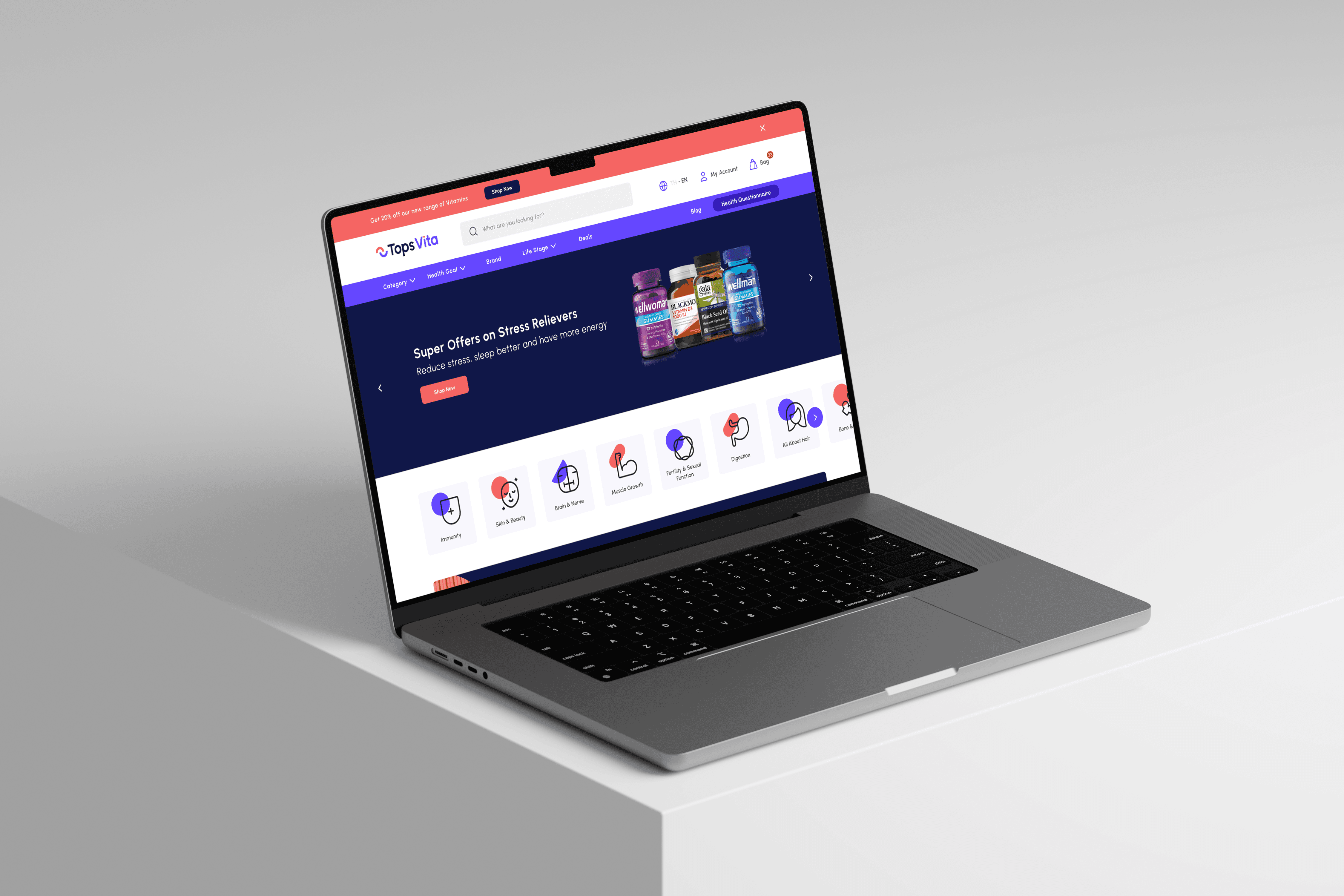
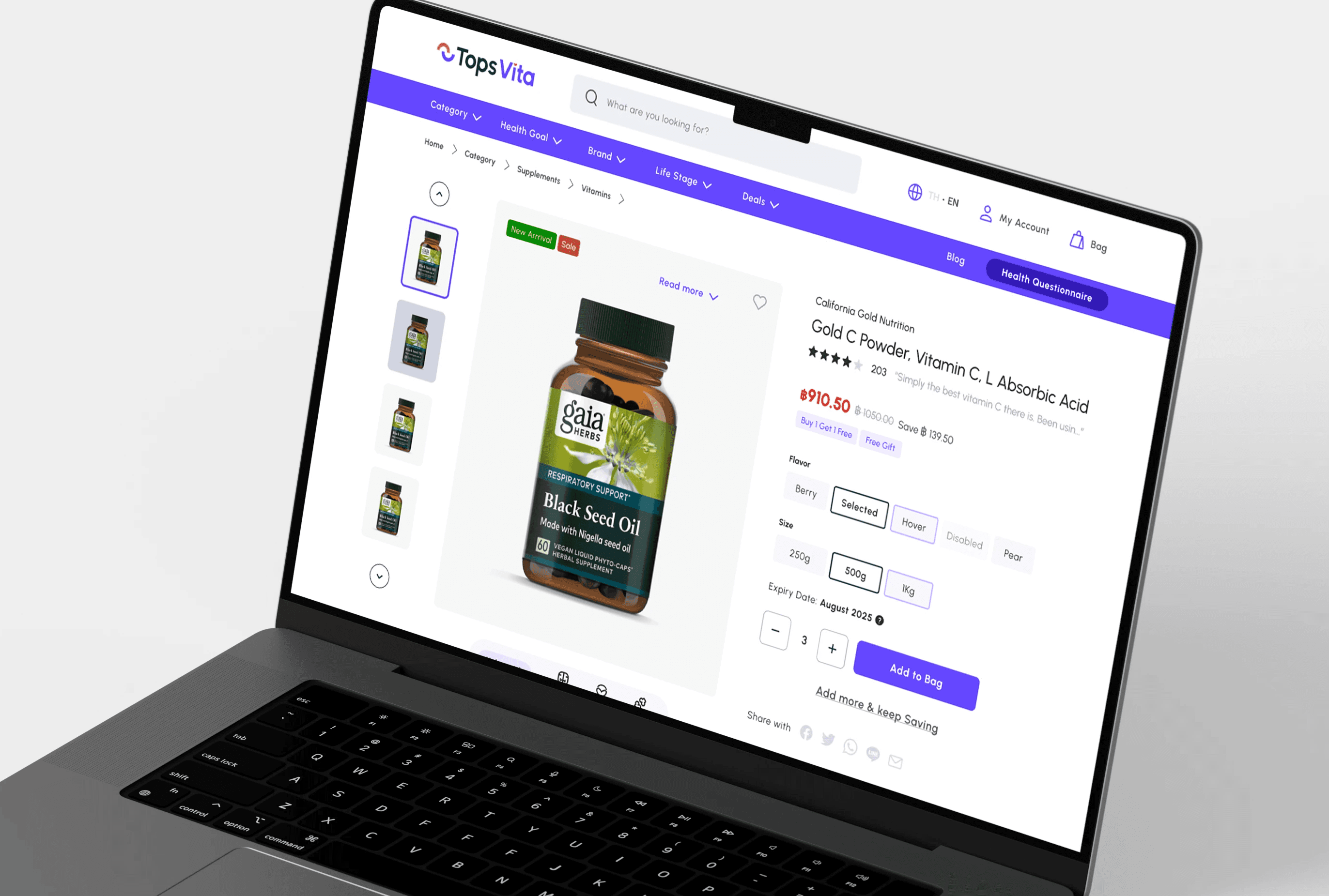
Central Thailand’s next-generation initiative focused on improving the consistency and scalability of its digital ecosystem. As part of the design team, I contributed to building a unified design system that supported the checkout experience across multiple platforms, helping bring structure, clarity, and alignment to a previously fragmented journey.
Challenge
The checkout experience wasn’t fundamentally broken—but it lacked consistency. Different platforms and teams were solving the same problems in different ways, resulting in fragmented flows, duplicated effort, and unnecessary friction for users. Without a shared system, scaling and maintaining a cohesive experience became increasingly difficult.
Goal
The goal was to introduce a unified design system that could standardize patterns across the checkout journey while still supporting business flexibility. This involved aligning teams, simplifying interaction patterns, and creating reusable components that could scale across platforms and future use cases.
Results
The result was a more cohesive and predictable checkout experience, supported by a scalable design system. By standardizing patterns and reducing duplication, teams were able to move faster while maintaining consistency. The system not only improved usability but also established a strong foundation for future product growth.
Overview
Central Thailand’s next-generation initiative focused on improving the consistency and scalability of its digital ecosystem. As part of the design team, I contributed to building a unified design system that supported the checkout experience across multiple platforms, helping bring structure, clarity, and alignment to a previously fragmented journey.
Challenge
The checkout experience wasn’t fundamentally broken—but it lacked consistency. Different platforms and teams were solving the same problems in different ways, resulting in fragmented flows, duplicated effort, and unnecessary friction for users. Without a shared system, scaling and maintaining a cohesive experience became increasingly difficult.
Goal
The goal was to introduce a unified design system that could standardize patterns across the checkout journey while still supporting business flexibility. This involved aligning teams, simplifying interaction patterns, and creating reusable components that could scale across platforms and future use cases.
Results
The result was a more cohesive and predictable checkout experience, supported by a scalable design system. By standardizing patterns and reducing duplication, teams were able to move faster while maintaining consistency. The system not only improved usability but also established a strong foundation for future product growth.
25%
84%
Overview
Central Thailand’s next-generation initiative focused on improving the consistency and scalability of its digital ecosystem. As part of the design team, I contributed to building a unified design system that supported the checkout experience across multiple platforms, helping bring structure, clarity, and alignment to a previously fragmented journey.
Challenge
The checkout experience wasn’t fundamentally broken—but it lacked consistency. Different platforms and teams were solving the same problems in different ways, resulting in fragmented flows, duplicated effort, and unnecessary friction for users. Without a shared system, scaling and maintaining a cohesive experience became increasingly difficult.
Goal
The goal was to introduce a unified design system that could standardize patterns across the checkout journey while still supporting business flexibility. This involved aligning teams, simplifying interaction patterns, and creating reusable components that could scale across platforms and future use cases.
Results
The result was a more cohesive and predictable checkout experience, supported by a scalable design system. By standardizing patterns and reducing duplication, teams were able to move faster while maintaining consistency. The system not only improved usability but also established a strong foundation for future product growth.
Trusted by Professionals
Trusted by Professionals
Feedback from leaders, stakeholders, and collaborators across projects and industries
Feedback from leaders, stakeholders, and collaborators across projects and industries
Nesan consistently delivers high-quality work, embraces feedback, and demonstrates strong design capability. I would confidently recommend him as an asset to any design team.
Bjorn Smuts
Head of Design, Central Digital
Nesan has been an integral part of our team, consistently contributing with dedication, ownership, and a positive attitude. His impact over the past two years has been truly valuable, and it has been a pleasure working with him.
Hrushikesh Pendharkar
Design Lead, SLB
Your work has been highly impactful, even in challenging scenarios. We see strong potential in involving you in critical proposals and expanding your contributions across sectors.
Pratibha Sharma
Senior Director, Capgemini
Nesan led the UX design for a highly complex engineering application, working closely with domain experts to understand intricate workflows and calculations. His ability to bring clarity and structure to such complexity was invaluable.
Praful Mawale
Head of Design, SLB
Nesan consistently delivers high-quality work, embraces feedback, and demonstrates strong design capability. I would confidently recommend him as an asset to any design team.
Bjorn Smuts
Head of Design, Central Digital